The Cases
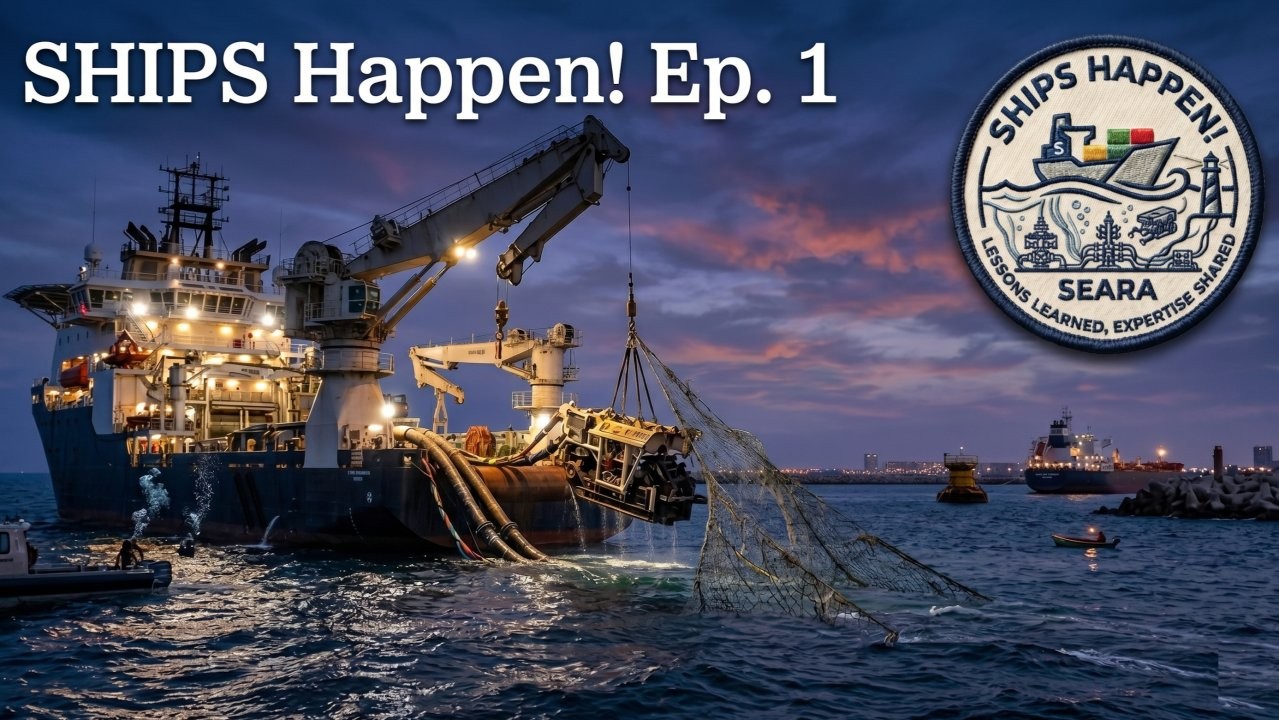
Donna the Dregger.
A trenching machine, a fishing net left overnight, and a $70,000 recovery operation that came within meters of becoming something far worse. Levantine Basin.
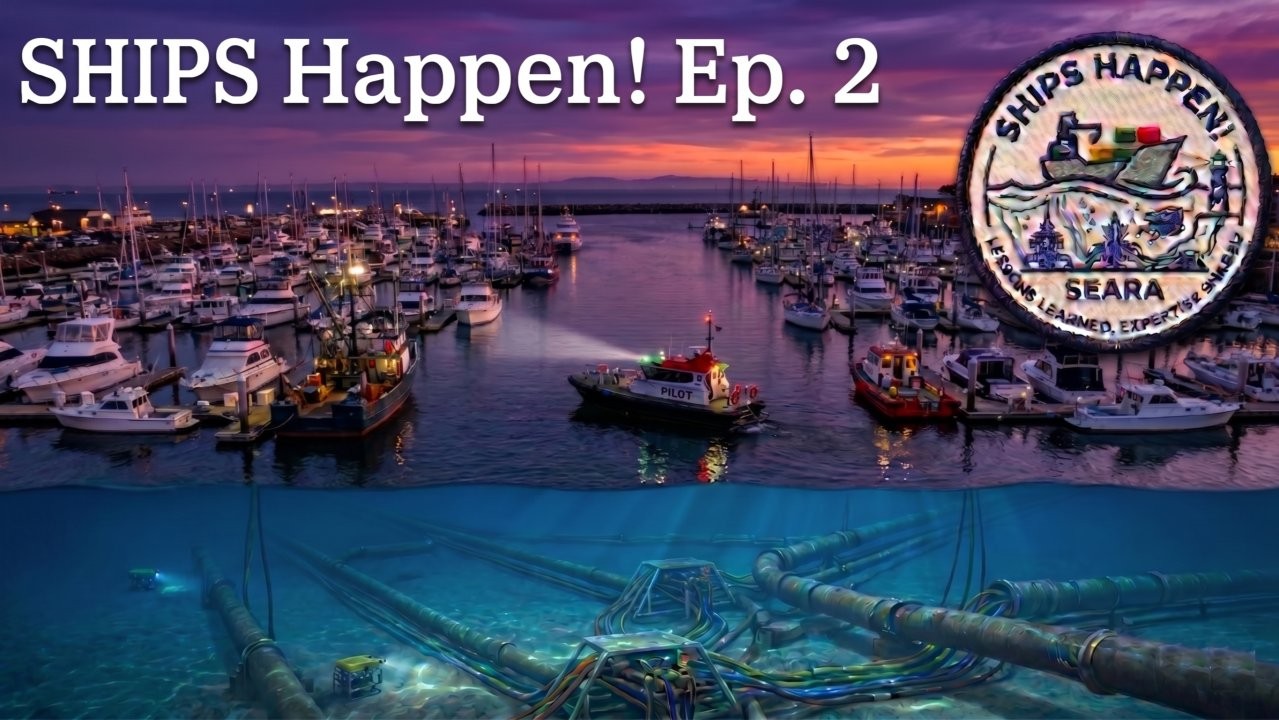
Pilot Point Tango.
A cargo vessel ran tight circles for two hours, waiting on a pilot, directly above active subsea infrastructure. Why "position cheating" is a routine risk hiding in plain sight.
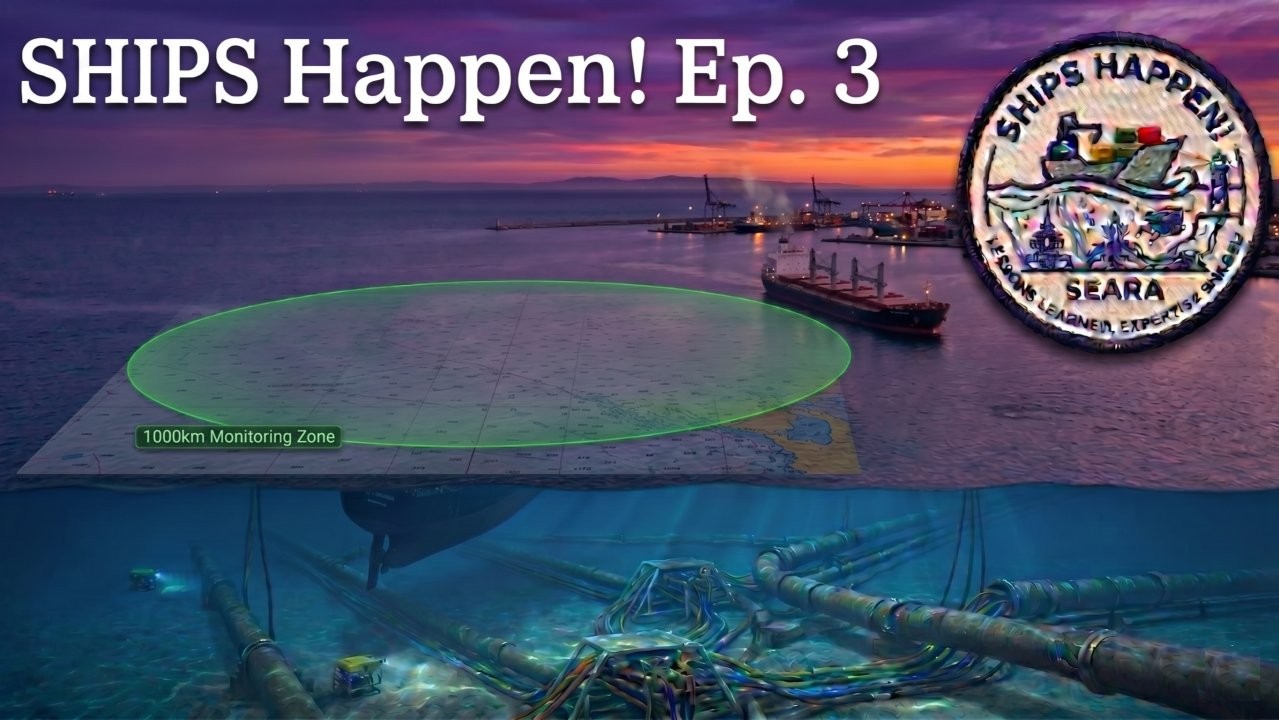
The Invisible Emergency.
A vessel in genuine distress stayed 1,500 meters from the nearest pipeline — far enough that a standard geofence called it zero risk. It wasn't.
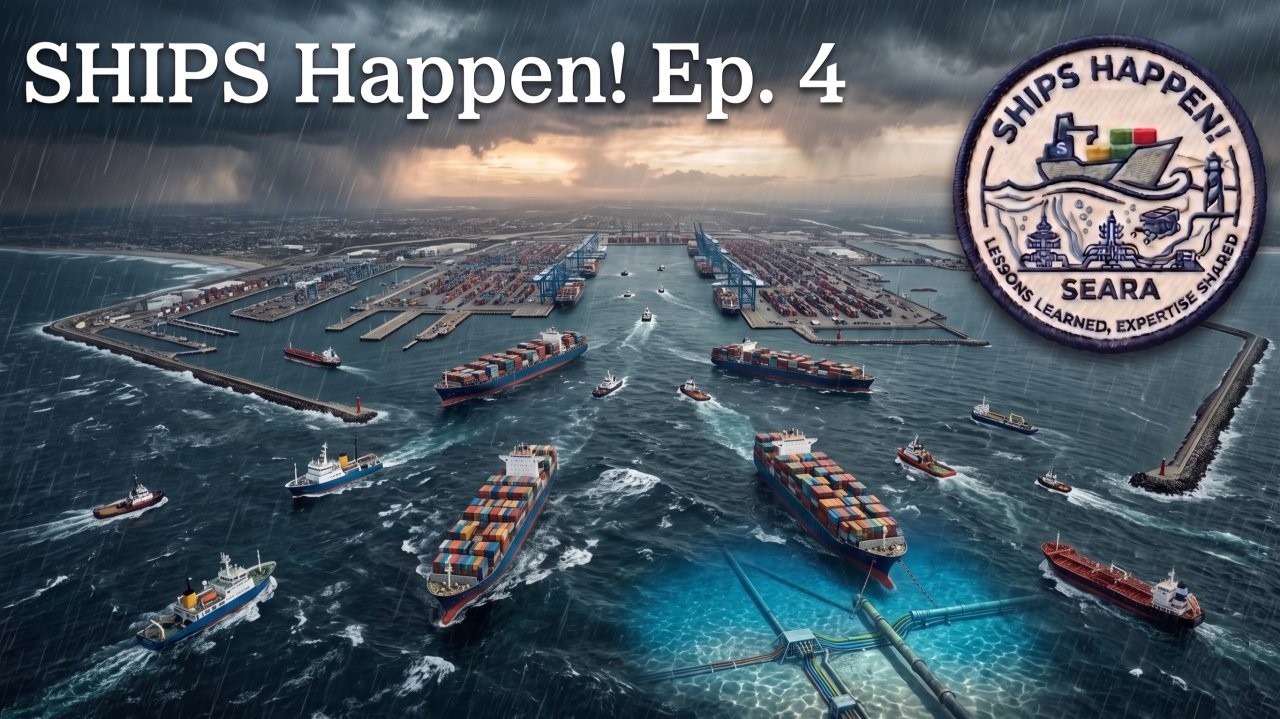
Storm Anchors.
The San Pedro Bay disaster that inspired new maritime regulations and the birth of SEARA: two vessels, a dragged anchor, and an 8-month undetected pipeline leak.
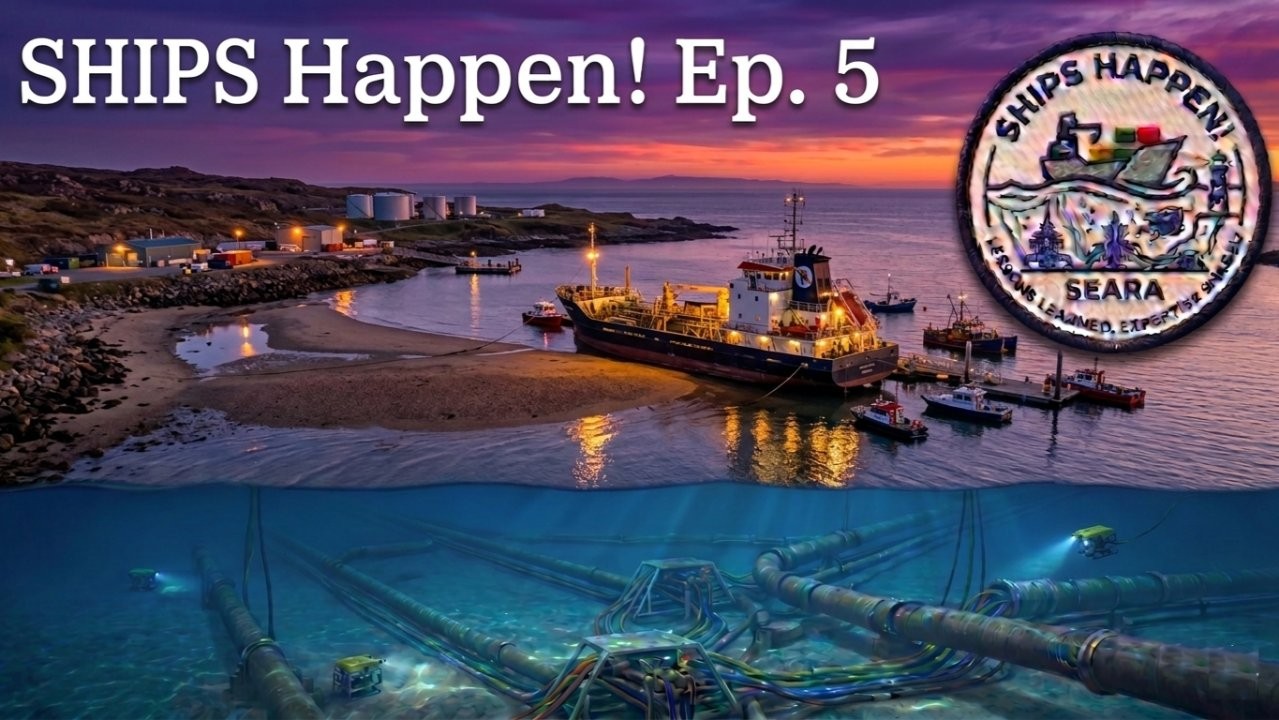
$10M Ship or $100M Line?
A flooding supply vessel ran for shore and grounded itself to survive. The salvage worked — but nobody on the bridge could see the pipeline network it was settling onto.
The Blacklist.
Chronic rule-breakers get flagged and watched. When one drifted toward a no-anchor zone over three pipelines, the watchlist caught it before the anchor hit the seabed.
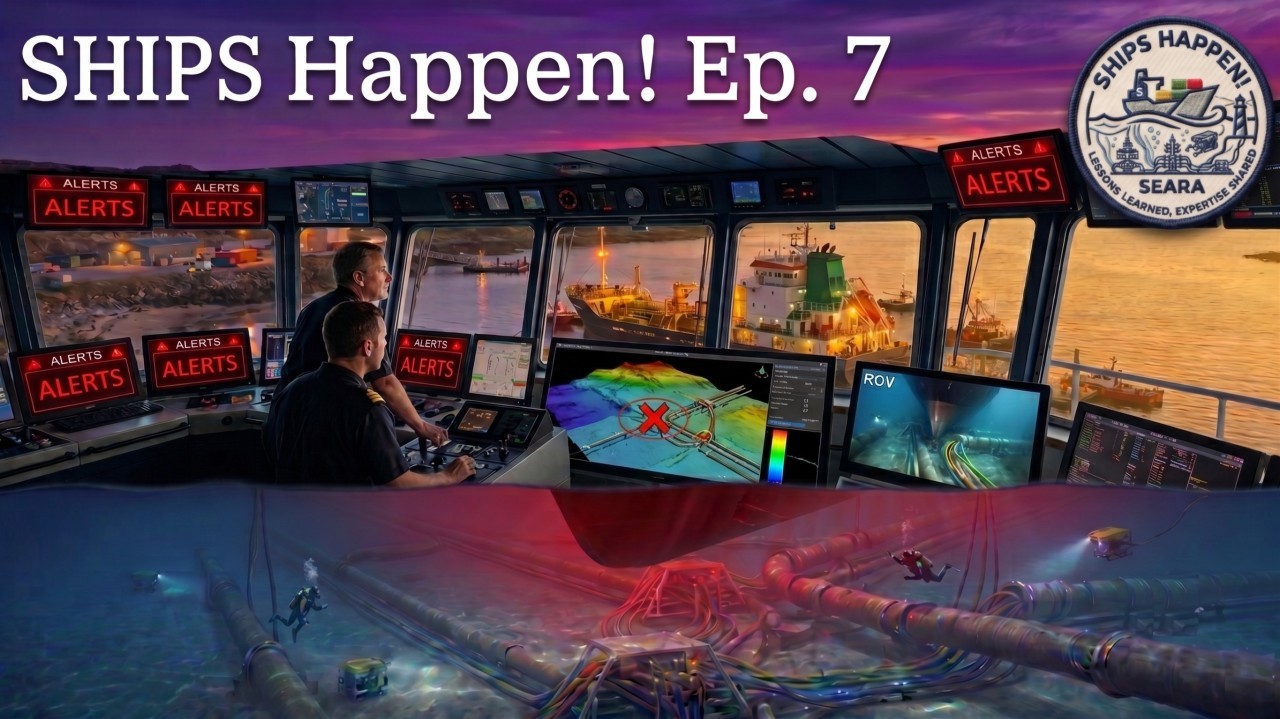
Anatomy of Escalation.
Built by operators, for operators. How custom-built escalation workflows turn raw sensor and vessel data into decisive, defensible intervention steps.